American Freedom and the Place of Bail

Why the Founders' fight over liberty and authority still explains what surety bail does
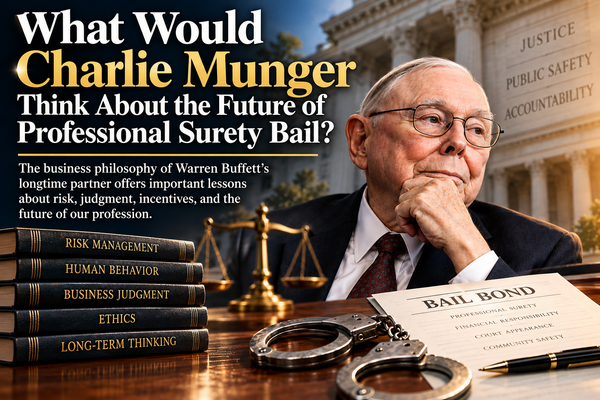
Over the past several months, I have written a series examining the ideas that shaped the American system of liberty and government. The subjects have ranged from Thomas Paine, John Adams, Benjamin Franklin, James Madison, George Washington, Alexander Hamilton, Patrick Henry, George Mason, and Thomas Jefferson to the legal history that eventually produced constitutional protections against excessive bail. Taken together, these articles are not simply about the Founders or isolated moments in history. They are about the structure Americans built, and the problem that structure was designed to solve.
That structure depended on a difficult balance. Government had to be strong enough to enforce its laws, yet limited enough that its own power would not become a threat to the people. The individual was entitled to liberty, but liberty was never separated from responsibility. Courts were given authority, but that authority was constrained by law. The Founders approached these questions from different directions, but the system they helped create was built around the same concern: how to preserve order without surrendering freedom.
Bail belongs in that history because it addresses one of the most serious powers government possesses—the power to deprive a person of liberty before conviction. Long before the Eighth Amendment, English law was already wrestling with arbitrary detention and excessive conditions of release. Those protections developed over centuries because generations understood that accusation and conviction are not the same thing. The American system inherited that principle and placed limits on how government may exercise its authority over an accused person.
Professional surety bail fits within that framework because it combines pretrial liberty with enforceable responsibility. The defendant is permitted to remain free while the case proceeds, but is obligated to return to court. The court keeps its authority, while responsibility is shared among the defendant, family members, the Bail Agent, and the surety. When the defendant fails to appear, there is someone with a direct legal and financial interest in restoring that person to the court’s jurisdiction.
That is why the current debate over bail should be broader than whether money is involved in release. The real question is who is responsible when a defendant does not come back. If surety is removed, responsibility does not disappear. It is transferred somewhere else, usually back to government and ultimately to the taxpayer. The history I have explored throughout this series makes one point increasingly clear to me: before we discard institutions tied to the protection of individual freedom, we should understand why they developed, what function they perform, and what we are prepared to put in their place.
 Michael D. Morrison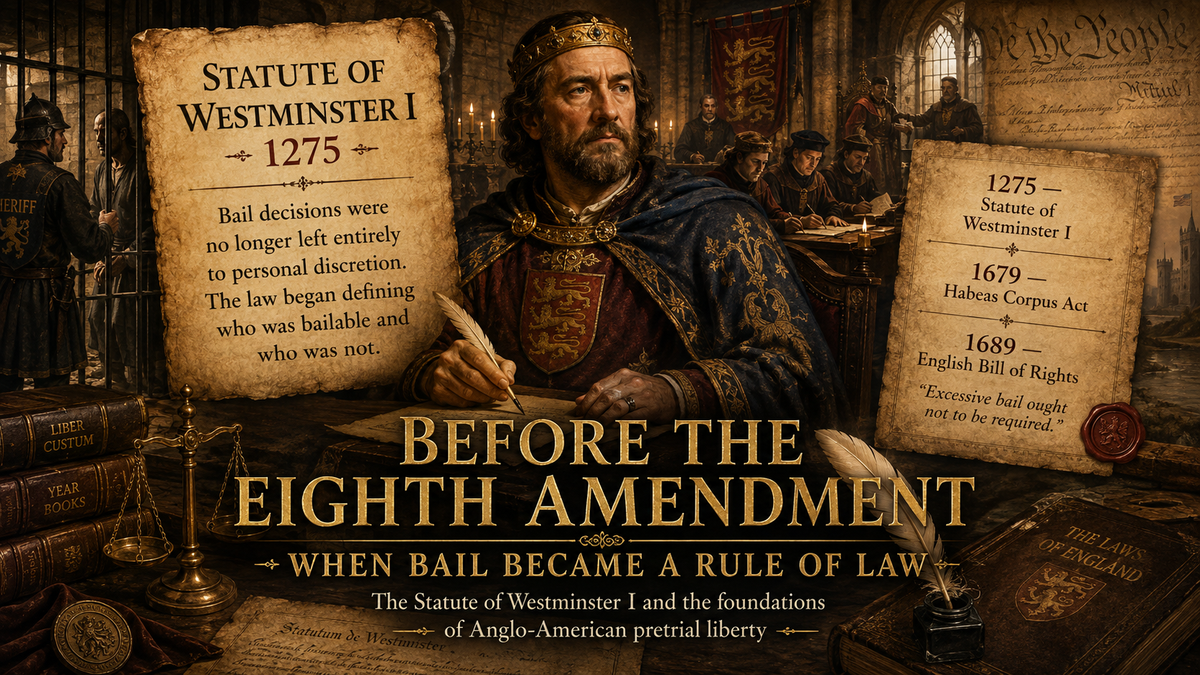
 Michael D. Morrison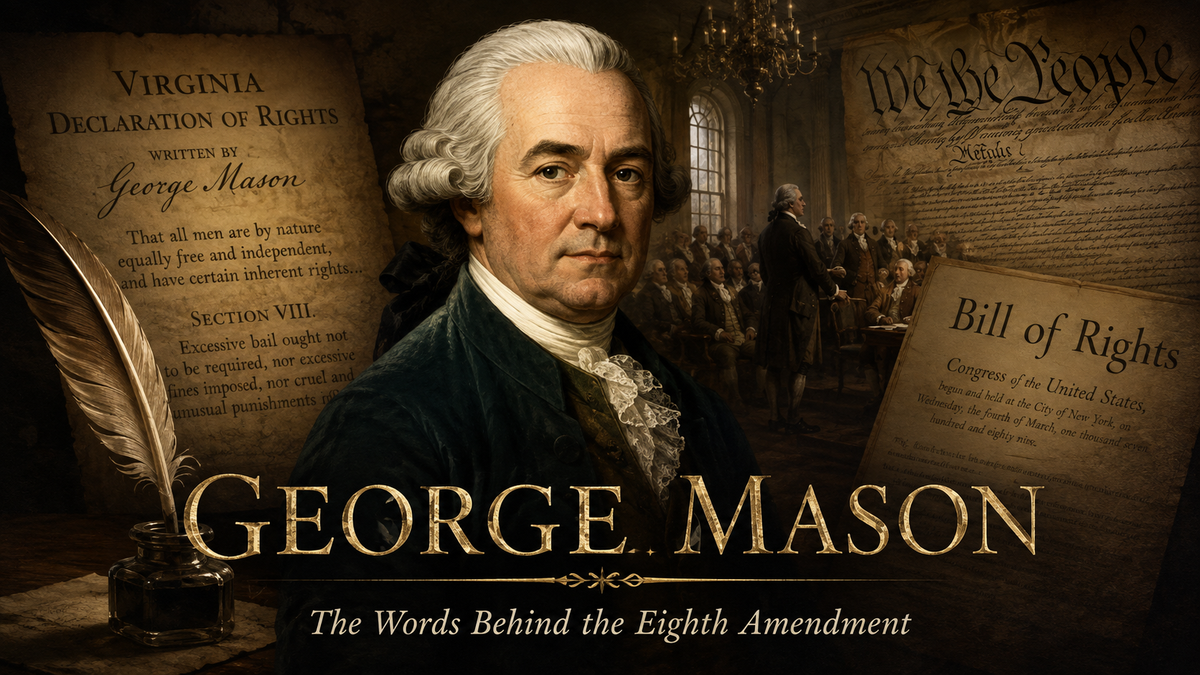
 Michael D. Morrison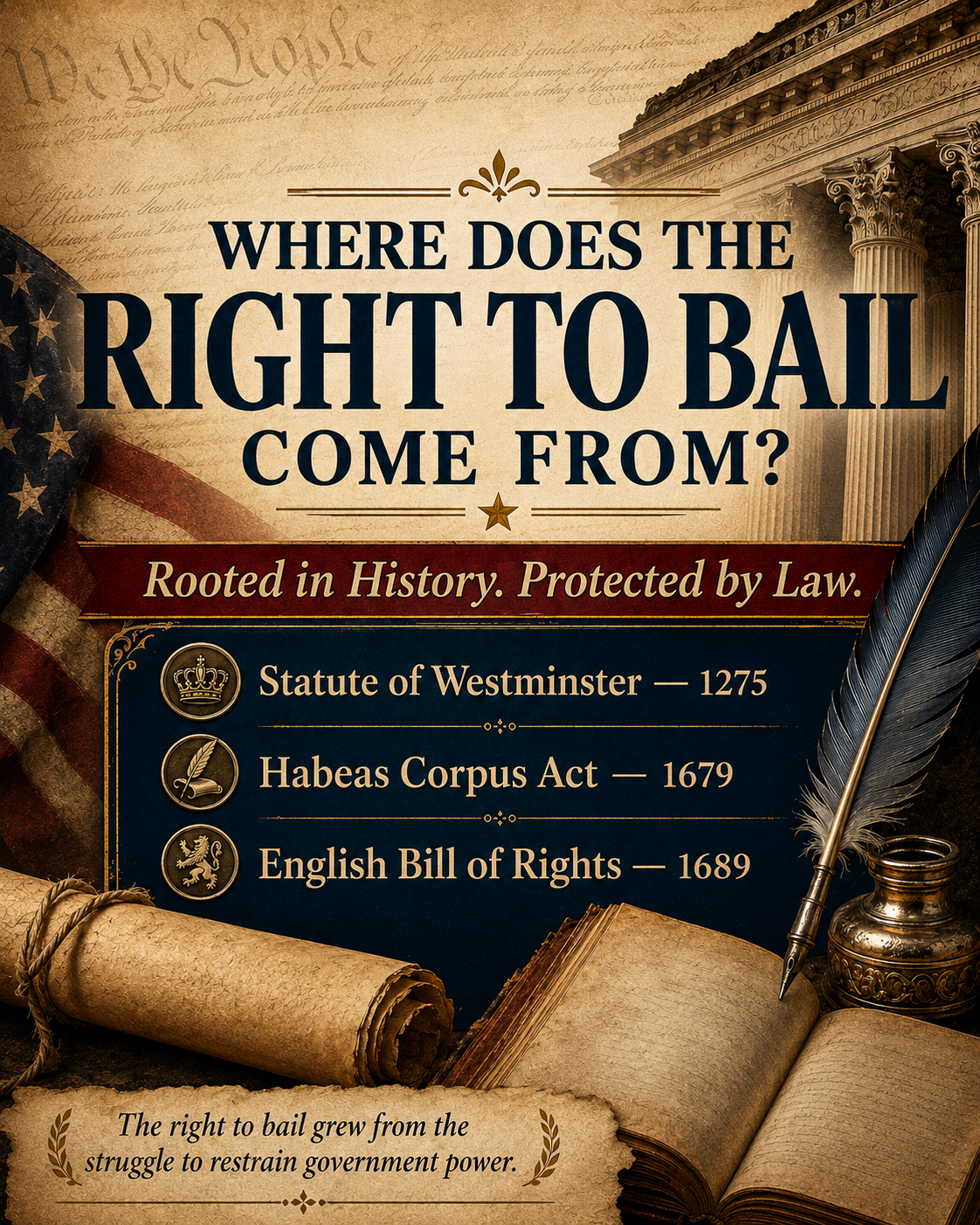
 Michael D. Morrison
 Michael D. Morrison
 Michael D. Morrison
 Michael D. Morrison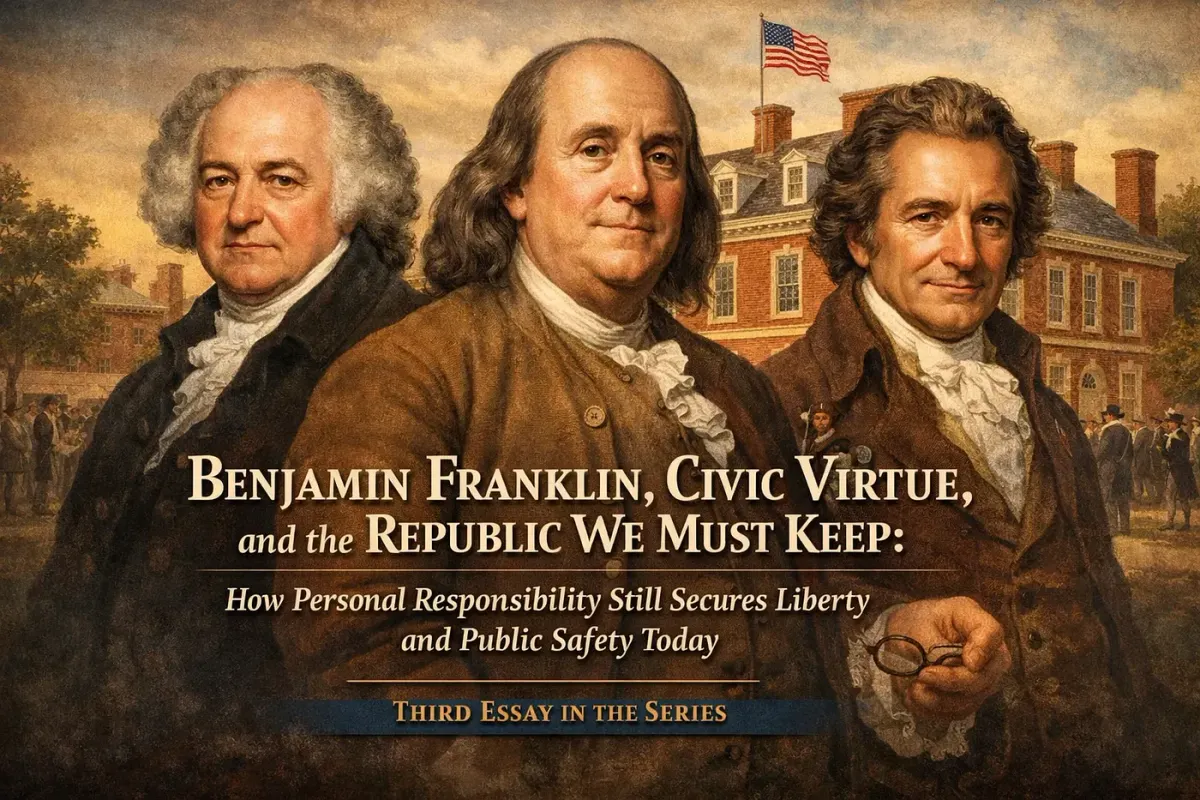
 Michael D. Morrison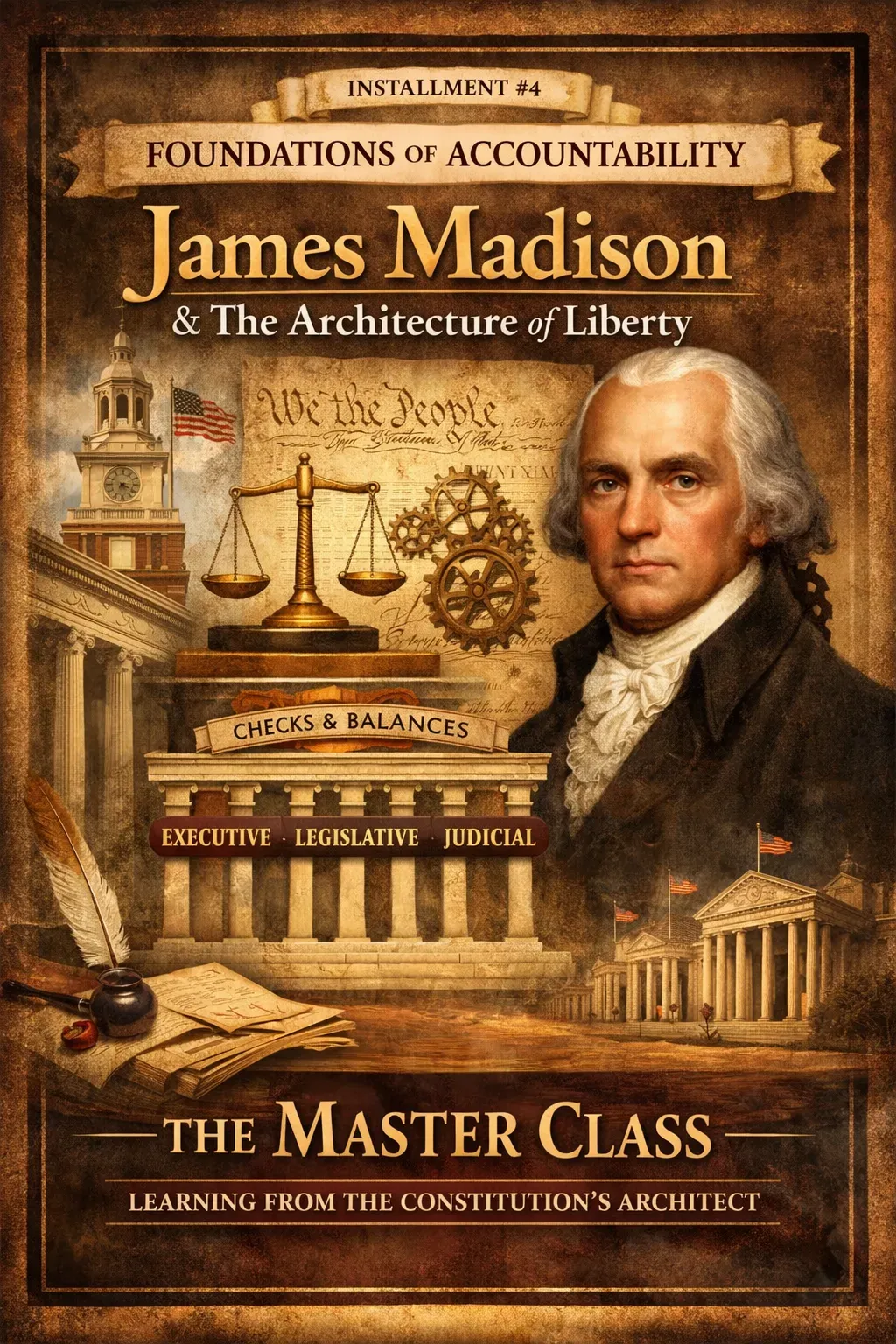
 Michael D. Morrison
 Michael D. Morrison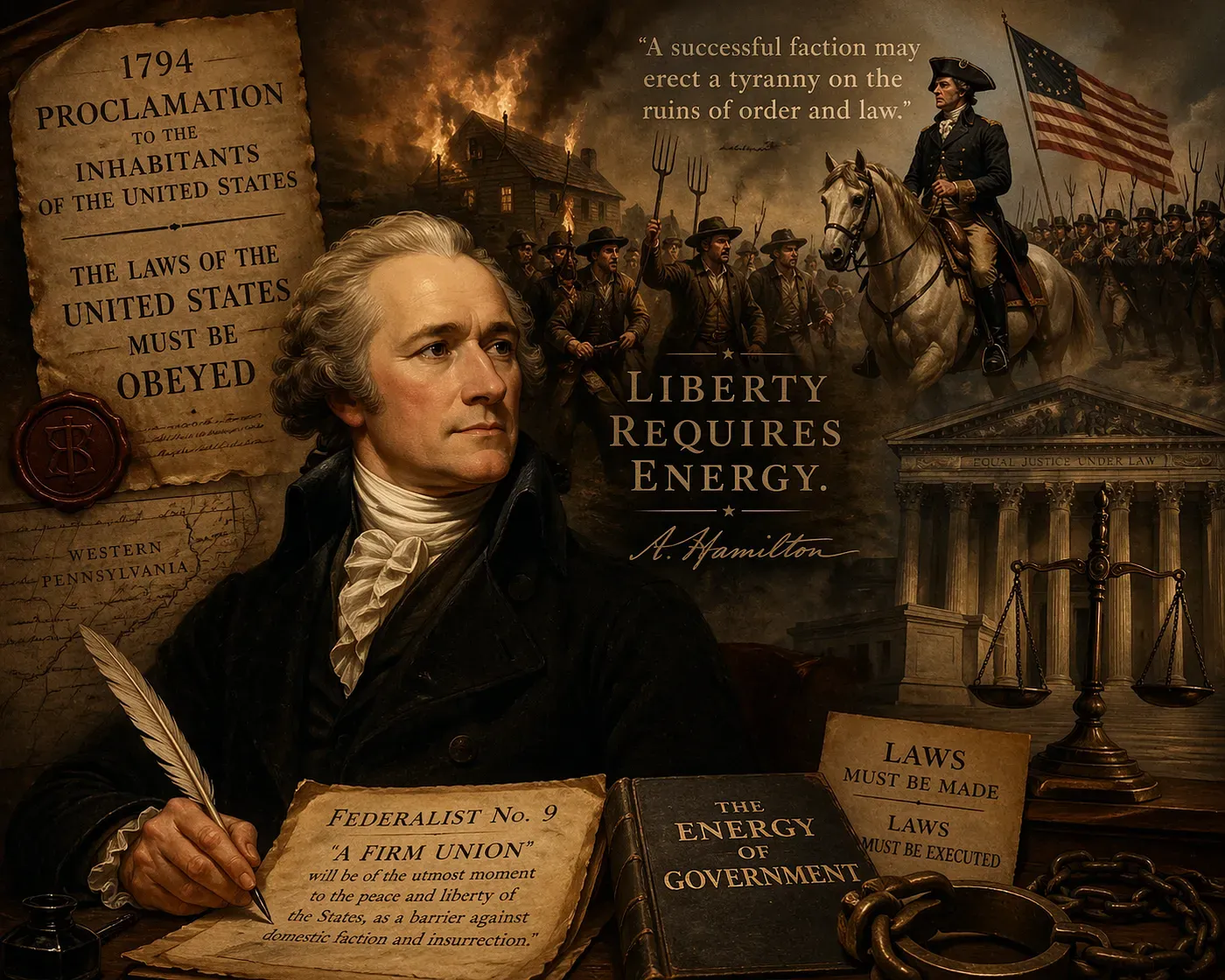
 Michael D. Morrison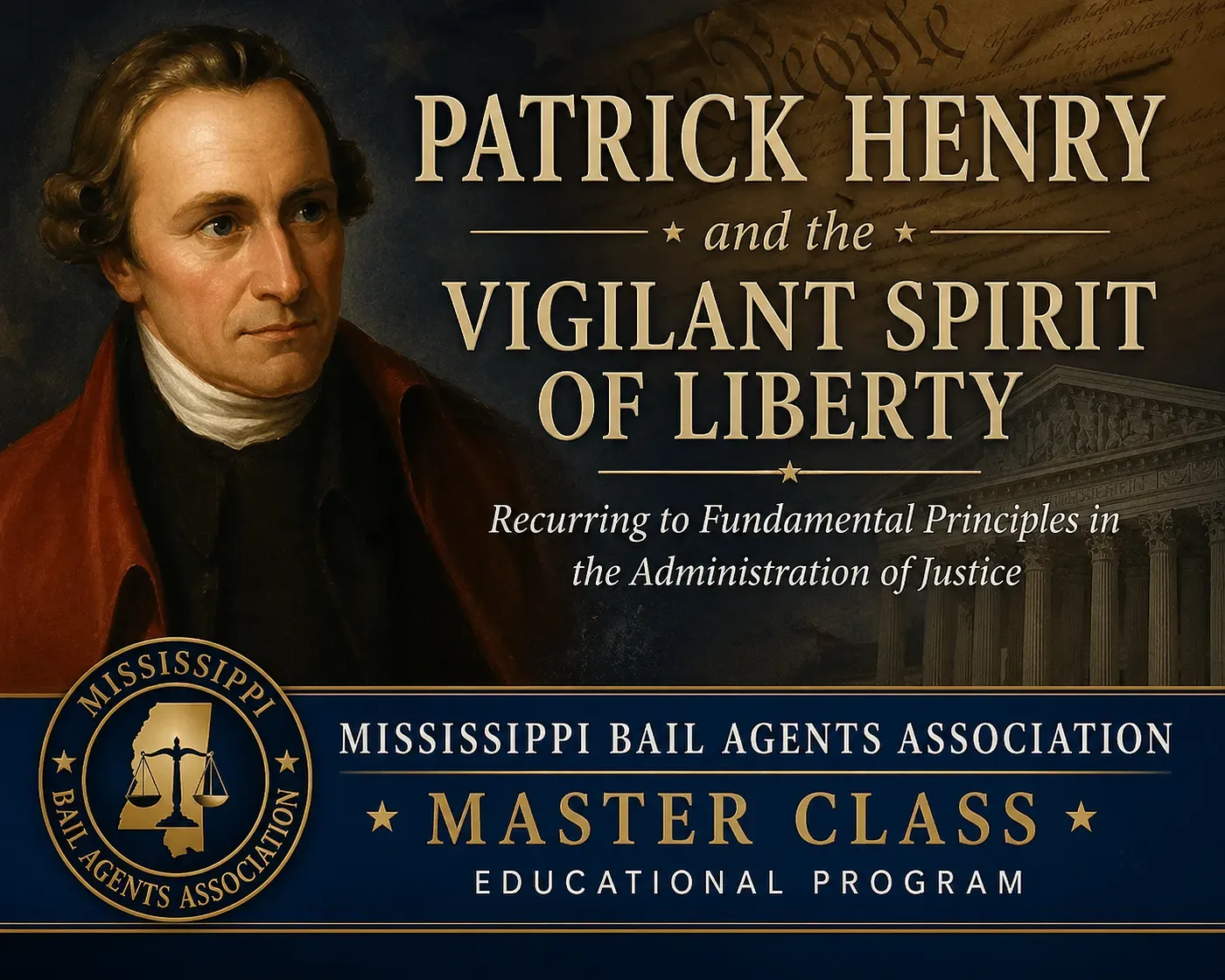
 Michael D. Morrison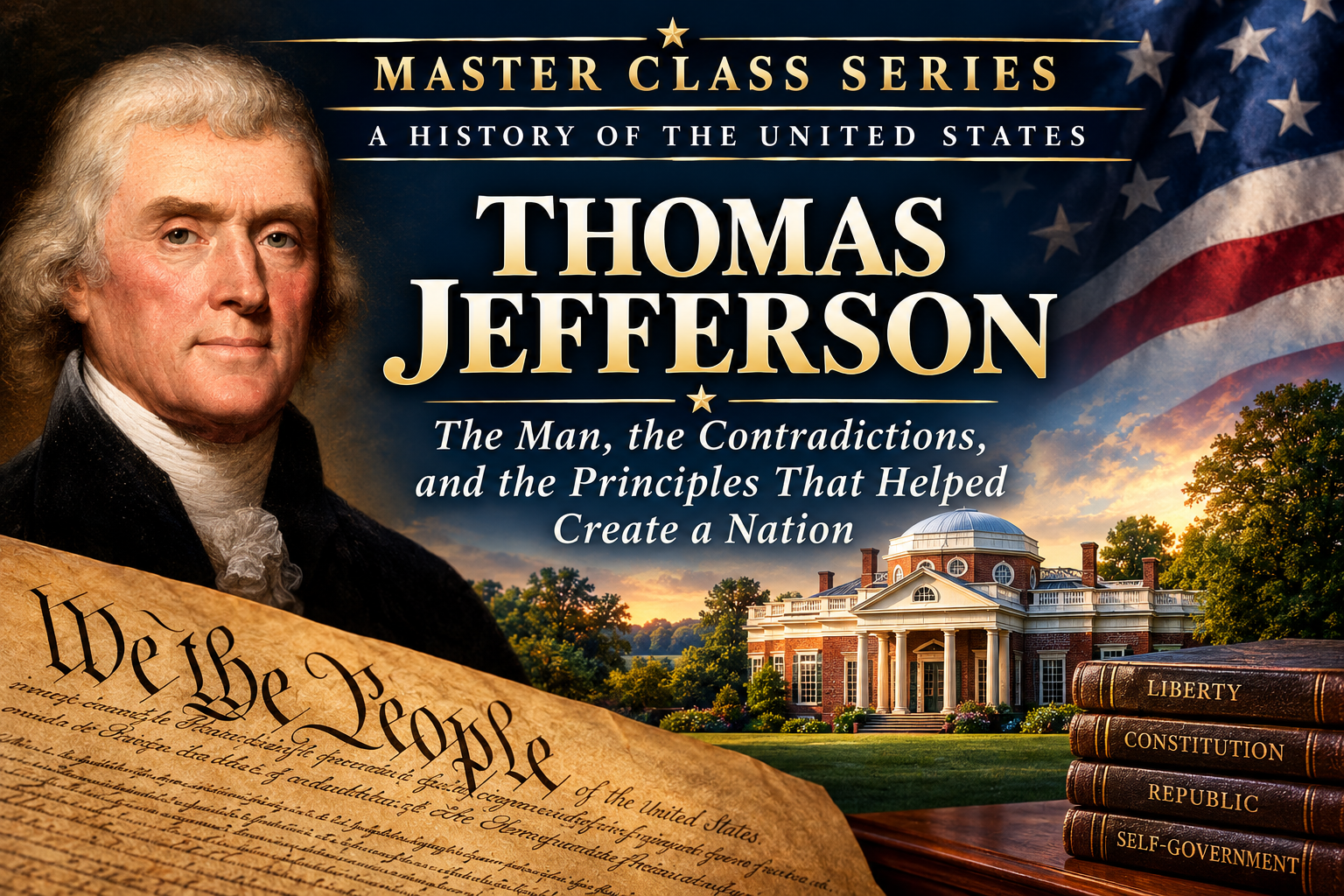
About the Creator of the Master Class Bail Agent Series
Michael D. Morrison created the Master Class Bail Agent Series to bring a higher level of education, research, and professional development to the bail industry. With more than 35 years of firsthand experience as a Professional Bail Agent, Morrison has worked directly with nearly 30,000 clients and has spent his career dealing with the practical realities of bail, court appearances, bond forfeitures, surrenders, defendants, families, judges, clerks, prosecutors, sheriffs, and the laws governing the profession.
The Master Class Series combines that experience with extensive research into Mississippi bail law, court rules, Attorney General opinions, judicial procedures, legislative changes, bond forfeiture and discharge requirements, surrender procedures, ethics, and professional responsibility. Morrison has spent years examining not only what the law says, but how it is actually applied in courts across Mississippi and where inconsistent practices create problems for Bail Agents, defendants, courts, and the justice system.
Morrison is recognized as a bail trainer by the Mississippi Judicial College and has presented educational programs involving judges and justice court clerks. He has also presented before Mississippi prosecutors, has been invited to participate in educational programs through the Mississippi Attorney General’s Office, and has been invited to attend mayors’ conferences addressing criminal justice issues. These opportunities have allowed him to bring the perspective of a working Bail Agent into broader discussions involving courts, prosecution, law enforcement, public safety, and local government.
The purpose of the Master Class Bail Agent Series is to raise the standard of professional bail education. Morrison believes the modern Bail Agent should understand far more than how to write a bond. A professional Bail Agent should understand the law, the court system, the responsibilities created by the bond, the rights of the defendant, the obligations of the surety, and the consequences when those responsibilities are not fulfilled.
The Master Class Series was developed for Bail Agents who want to know more, perform better, serve their courts more effectively, and strengthen the professionalism and value of the bail industry. It reflects Morrison’s belief that experience alone is not enough, research alone is not enough, and continuing education should demand more than simply meeting a minimum requirement. The goal is a better-informed, better-prepared, and more professional Bail Agent.