Guilty Before Trial: Forced Cash Bonds and the Attack on Civil Rights in Mississippi Courts. Who is protecting Mississippians now?

When cash is the only way out, working defendants pay with their freedom, their jobs, and pressure to plead guilty.
Defendants who are legally entitled to bail are being told that the only way out is large amounts of cash paid directly to the court. Professional surety bonds — a method of release that Mississippi’s Constitution, statutes, and Rules of Criminal Procedure all recognize as lawful — are being refused even when families request them and a licensed agent is ready to post. That practice is a Forced Cash Bond.
Working people do not keep thousands of dollars in spare cash. When a court demands full cash and closes the door on professional surety, families are forced to choose between the rent, the light bill, the grocery money, the car payment, and getting a loved one out of jail. Those who cannot produce the cash stay locked up. The longer they remain in custody, the stronger the pressure becomes to plead guilty — not because the evidence demands it, but because they need to keep their job and get home. That is treating people as guilty before trial based on their ability to produce money overnight.
Mississippi law does not require this outcome. Article 3, Section 29 of the Constitution says persons entitled to bail shall be “bailable by sufficient sureties.” Rule 8.1 recognizes a surety’s undertaking as security. Rule 8.2 requires the least onerous conditions after individualized consideration of employment, family, and financial circumstances. Section 99-5-9 even preserves a professional-agent option when a reduced cash deposit is accepted. The Mississippi Supreme Court warned in Lee v. Lawson that a system based on monetary bail alone would be unconstitutional. Mississippi’s own judicial history provides clear grounds for questioning practices that effectively condition freedom on access to cash.
This is not happening in isolation. Across the country we have watched the growth of court-managed alternatives — exclusive 10% cash deposits and cash-only orders — that push professional surety out of the process even when families prefer it. The modern federal pretrial system operates primarily without professional bail agents, relying on Marshals and Pretrial Services. Trump’s August 25, 2025 executive orders placed cashless bail under a national spotlight and threatened funding for jurisdictions that substantially eliminated cash bail for public-safety threats. Those orders did not address the separate practice of excluding professional bail agents from courts that still require financial security. That distinction matters. The result of the broader pattern is the same: less private accountability, more pressure on working defendants, and greater incentive to plead simply to regain freedom.
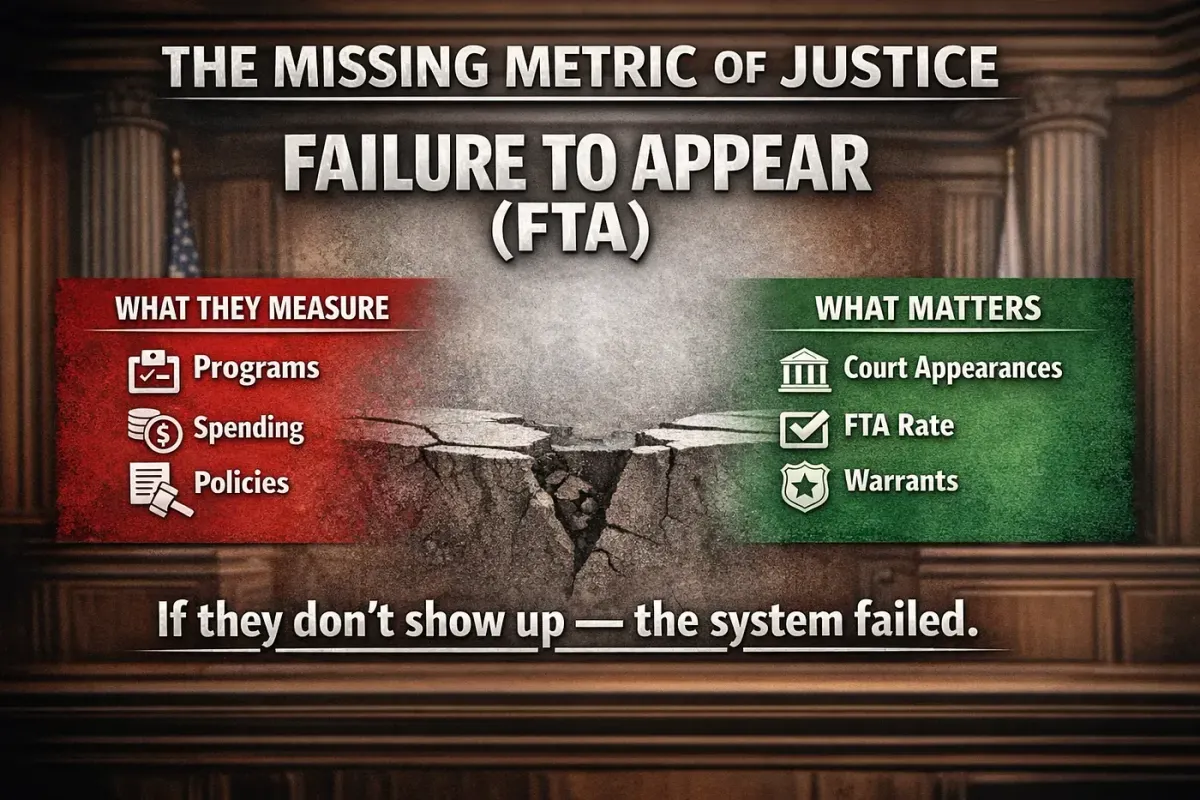
Accountability is not measured only by whether money is required before release. It is measured by who actually stands responsible after the defendant walks out of the jail. When courts close the door on professional surety, that responsibility falls entirely on the public system — and on the defendant who cannot afford the cash.
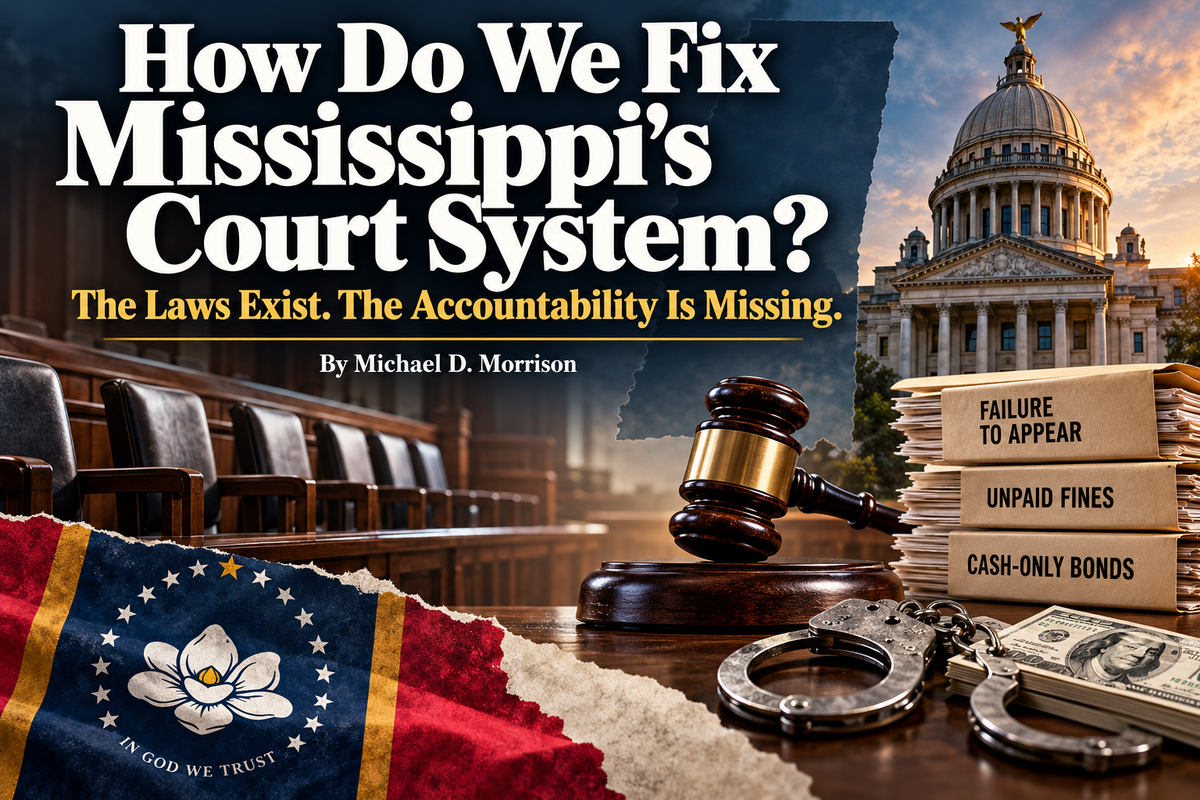
Mississippi already has the tools. The Constitution is clear. The Rules are clear. Professional surety is a lawful method of release. Refusing it as a matter of practice is not discretion. It is a denial of a right the law already provides. The working defendant who remains incarcerated, faces the loss of employment, and feels compelled to plead guilty simply to return home is where the title “Guilty Before Trial” earns its meaning.
 Michael D. Morrison
 Michael D. Morrison
 Michael D. Morrison
About the Author
Mike Morrison is the 2026 PBUS National Bail Agent of the Year, President of the Mississippi Bail Agents Association, and a nationally recognized bail educator, speaker, and criminal justice commentator. With more than 35 years of hands-on experience as a licensed Professional Bail Agent and owner of Mike Morrison Bail Bonding Company in Hattiesburg, Mississippi, he brings a practical, real-world perspective to discussions involving American legal history, institutional accountability, constitutional rights, public safety, technology, and public policy.
Morrison is recognized as a bail trainer by the Mississippi Judicial College and is a sought-after guest speaker for judicial, prosecutorial, and industry conferences across the country. He has presented before state judges, justice court clerks, prosecutors, attorneys general staff, and bail professionals nationwide, and he travels to state bail association conferences to speak on bail and on social media strategy for the profession. He also leads professional education and ethics programs for bail agents through the Master Class Bail Agent Series and other national training initiatives.
At the national level, Morrison works with the Professional Bail Agents of the United States (PBUS) Board of Directors and supports its committees on national initiatives. He also works with the boards of directors of other state bail associations, sharing the strategies behind Mississippi’s successes so they can be put to work across the profession.
He has published nearly 200 articles examining the institutions, policies, and decisions that affect working Americans. His writing is grounded in decades spent inside courtrooms, jails, communities, and the criminal justice system, and his commentary has surpassed 1.85 million views across social media in 2026.
Independent, plain-spoken, and focused on accountability, Morrison writes and speaks about the intersection of government, liberty, public safety, professional responsibility, and the real-world consequences of public policy in Mississippi and across the nation.
© 2026 Mike Morrison. All rights reserved.