Take the Cameras Down
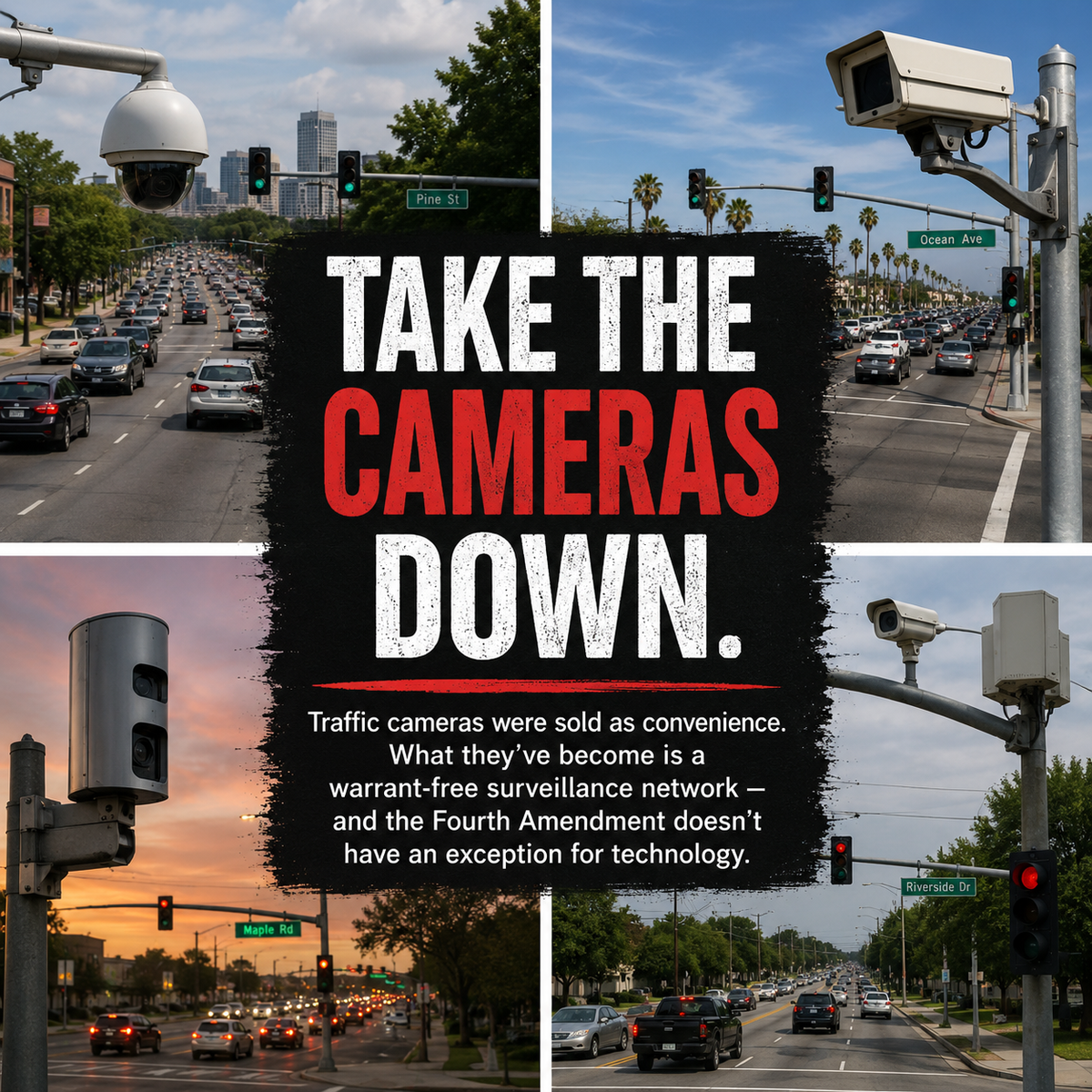
Traffic cameras were sold as convenience. What they've become is a warrant-free surveillance network — and the Fourth Amendment doesn't have an exception for technology.
Traffic cameras were sold as convenience. What they've become is a warrant-free surveillance network — and the Fourth Amendment doesn't have an exception for technology.
A Wisconsin woman was pulled over at gunpoint twice in the same week. She hadn't done a thing wrong. A Milwaukee police employee simply never cleared an old vehicle alert from a Flock license-plate camera system. Her car kept flagging, officers responded, and she ended up staring down guns over a database entry somebody forgot to delete. That already happened. It is not a future risk.
And that is not the only way this goes wrong. The Washington Post found at least fifty law-enforcement officers across the country who have been charged with or accused of using these camera networks to track people in their personal lives — mostly women, mostly ex-partners. One Florida officer ran his ex-wife's plate 717 times. A Georgia police chief tracked a woman he used to date roughly 600 times before he was stopped. Nobody hacked the system. It worked exactly as built. The only difference was who was sitting at the keyboard.
I have watched this problem grow for years, and it has gotten completely out of hand. It started with the so-called motion-sensor cameras that began showing up at nearly every red light and intersection. We were told they were there to manage traffic, improve signal timing, cut congestion, and make the roads safer. Most people never thought twice about them. Why would you question a device that was supposedly just telling a traffic light a car was waiting?
Look at where we are now. Cameras are everywhere. Many of them no longer simply detect whether a vehicle is sitting at an intersection. They capture license plates, identify vehicles, record locations, and store that information in databases that let someone search a person's movements after the fact. What began under the language of traffic management and public safety has become something much more intrusive: a government surveillance network.
I want to be precise about the difference, because not every camera is the problem. A red-light camera that photographs a car running a signal, issues a ticket, and deletes the image is a traffic-enforcement tool. It only records the person who broke the law. A networked automatic license-plate reader is something else. It photographs every car that passes — guilty or innocent — and feeds that information into a searchable database that can place your vehicle at a specific location on a specific day, weeks or months later. One is enforcement. The other is a tracking system paid for with public-safety money.
I do not believe that is what most Americans agreed to when these cameras started going up.
There is a world of difference between police using technology to investigate a known suspect and the government collecting information on thousands of people who are suspected of nothing. If law enforcement develops probable cause that someone committed a crime and needs location information as part of that investigation, the Constitution already has the answer. Get a warrant. Go before a judge, show probable cause, describe what you are looking for, and explain why you have a lawful reason to obtain it.
What concerns me is the growing idea that government should be allowed to collect the information first and develop suspicion later. That turns the Fourth Amendment upside down. The government should not get to watch everybody on the chance that somebody being watched might one day become a suspect.
The courts are starting to catch up to this, and it is worth naming the cases. In 2018 the Supreme Court ruled in Carpenter v. United States that the government generally needs a warrant for historical cell-site location data because tracking a person's movements over time reveals "the whole of a person's physical movements." This past June, in Chatrie v. United States, the Court held that acquiring someone's cellphone location data through a geofence warrant is a Fourth Amendment search. The justices sent that particular case back to decide whether the warrant was narrow enough, but the core point stands: your location history is not free for the taking just because a company holds it. Then on August 5, right here in the Southern District of Mississippi, U.S. District Judge Carlton Reeves ruled that "tower dump" warrants — the ones that hand police the identity and location of every phone that connected to a cell tower during a chosen window — are unconstitutional as a technique. Not unconstitutional in one case. Unconstitutional because a single search can produce thousands of records on people who have done nothing wrong.
That is the same logic that applies to a networked camera database. These systems do not ask for one person's movements. They build a searchable record of everyone's movements and wait for someone to come looking. Judge Reeves put it plainly: the government cannot have the entire haystack just because there might be a needle in it. A camera network does not get a free pass on that principle simply because the cameras hang on poles instead of cell towers.
The technology is new. The principle behind the Fourth Amendment is not. Our founders understood the danger of broad searches without particularized suspicion. They did not have cellphones or license-plate readers or searchable databases, but they understood government power. The Fourth Amendment was written to limit that power, not to protect us only until technology found a way around it.
I know the defense of these systems. They help solve crimes, recover stolen vehicles, and find missing people. I am not going to pretend that is false. Flock has said its cameras contribute to more than a million investigations a year and that this past July alone the system helped detect more than a thousand missing people and more than twenty thousand stolen vehicles. Those numbers matter to the families involved. But there is a difference between generating a hit on a plate that is already flagged and proving that expanding these networks makes communities measurably safer. Independent evaluations in Mesa, Arizona; Fairfax County, Virginia; and Baton Rouge, Louisiana found no significant reduction in overall crime. In the one place a real controlled trial was run — Vallejo, California — researchers did see more stolen vehicles detected, but they also found a misread rate above one in three. This technology is genuinely good at catching a plate that is already on a list. It has not proven itself as a general crime deterrent. The gap between those two things is exactly where ordinary people's privacy gets spent.
This problem is everywhere now. We have let surveillance technology become part of the everyday landscape with almost no public debate about what these systems actually do. Who owns the information? How long is it kept? Who can search it? Which agencies can access it? Is it shared across jurisdictions? Most of these systems defaulted to keeping data for thirty days — only now being shortened under public pressure — and multi-agency sharing remains one of the biggest unresolved fights. Can someone's travels be reconstructed days, weeks, or months later? Most importantly, does anyone have to show probable cause before looking?
Those questions should have been answered before the infrastructure went up, not years later when we finally see what it is capable of.
People are starting to answer them by walking away. Flock's network has grown past 100,000 cameras nationwide. Yet this year alone more than fifty cities and counties have canceled, suspended, or deactivated their contracts, on top of roughly a hundred that have done the same since 2021. These are not all the same kind of places. Harrisonburg, Virginia pulled the plug over Fourth Amendment concerns and damaged public trust. The Los Angeles Police Department let a three-year contract expire. When communities with very different politics reach the same conclusion, it tells you something. This is not about ideology. It is about people looking at what got built and realizing they never agreed to it.
I support law enforcement. I want police to have the tools they need to investigate crimes and protect communities. I have spent thirty-five years in this work — writing bonds, sitting in courtrooms, watching both sides of the system up close. I have seen what it looks like when investigators have exactly the evidence, they need to hold the right person accountable. I have also seen what it looks like when a system built to catch the guilty sweeps up the innocent along with them. Supporting law enforcement has never required surrendering constitutional rights. The warrant requirement is not an inconvenience standing in the way of police work. It is one of the protections that separates legitimate government authority from unlimited government power.
We have become far too comfortable accepting policies because they arrive wrapped in the words convenience, technology, or public safety. Those words do not override the Constitution. The question is not whether technology can help solve crimes. Of course it can. The question is how much information about ordinary, law-abiding citizens the government should be allowed to collect and keep simply because the technology now makes it possible.
If the cameras hanging over our intersections have become part of a system for tracking and storing the movements of people who are not suspected of any crime, then we have crossed a line that should never have been crossed.
Take the cameras down.
Not because the tools have no use.
Because no government agency should be able to search where you have been until it can first show a judge why it has the right to ask
 Lucas Nolan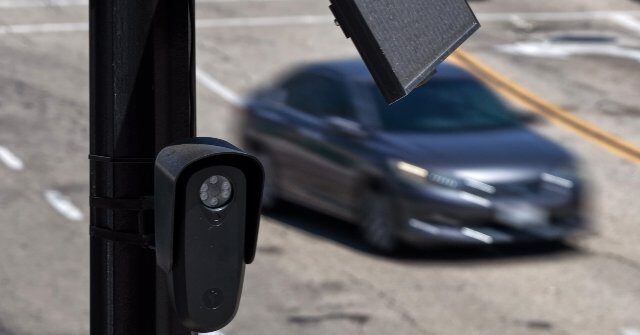
 , USA TODAY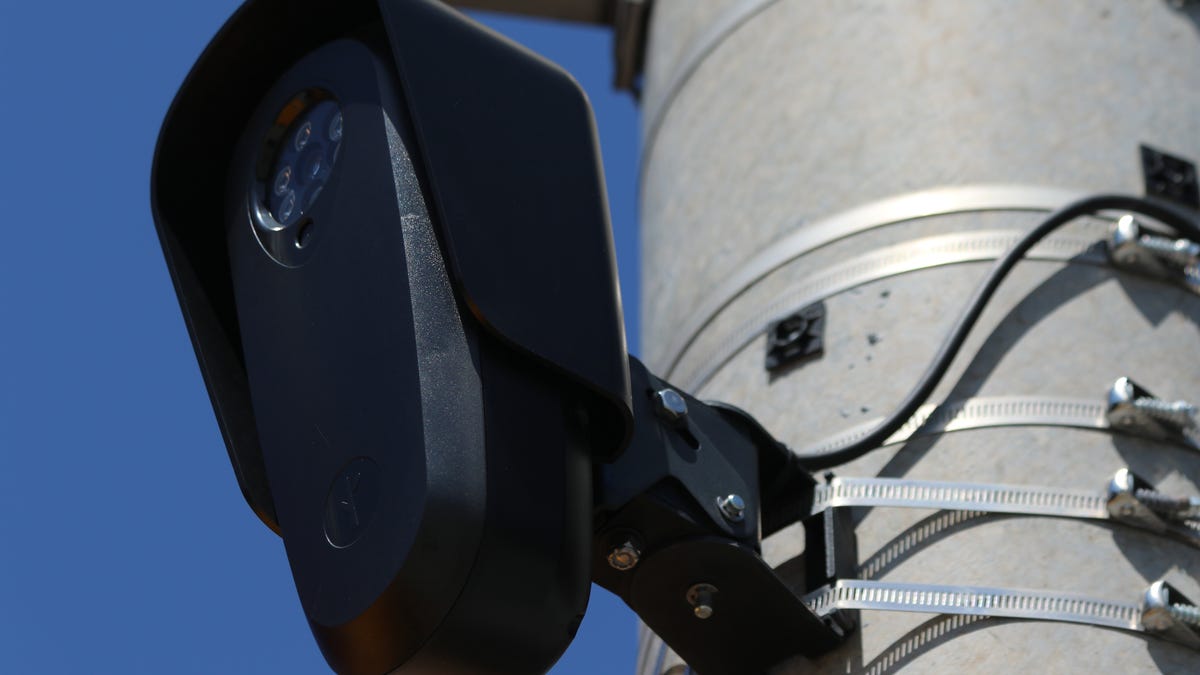
 Emily Featherston and Brendan Keefe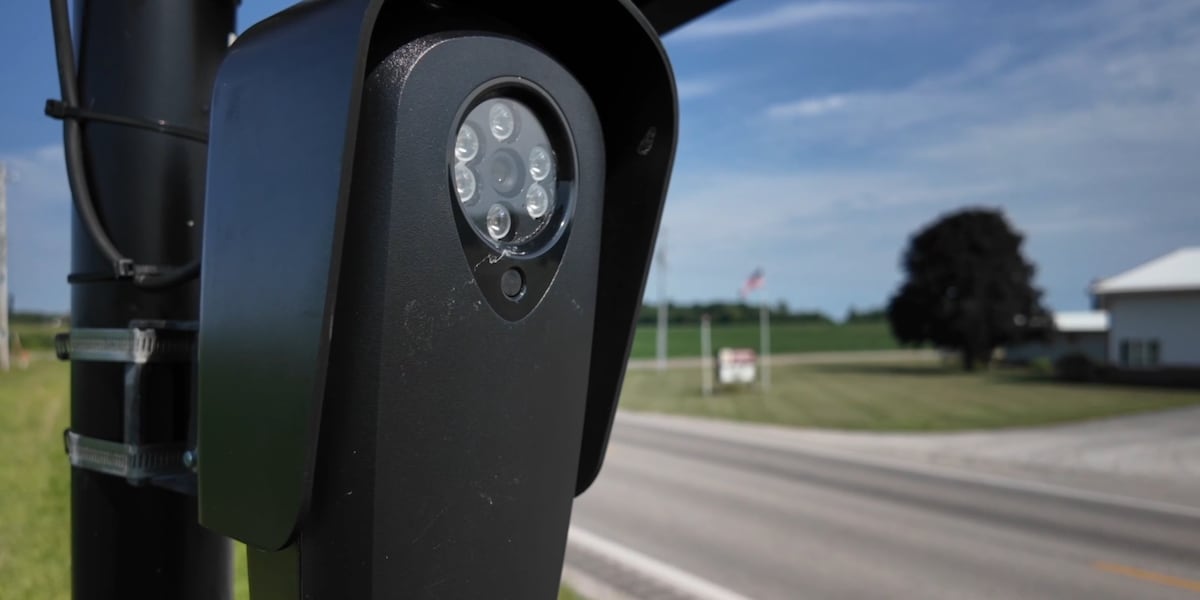
UPDATE: Thousands of automated license plate readers are set up across the nation to capture license plate numbers and data. According to a nonprofit, public-interest law firm, police misuse of these readers is growing. Multiple law enforcement officers are being accused of using to run unauthorized personal searches, as CNN's Rafael Romo reports.
 Connor Lomis and Jordan Gartner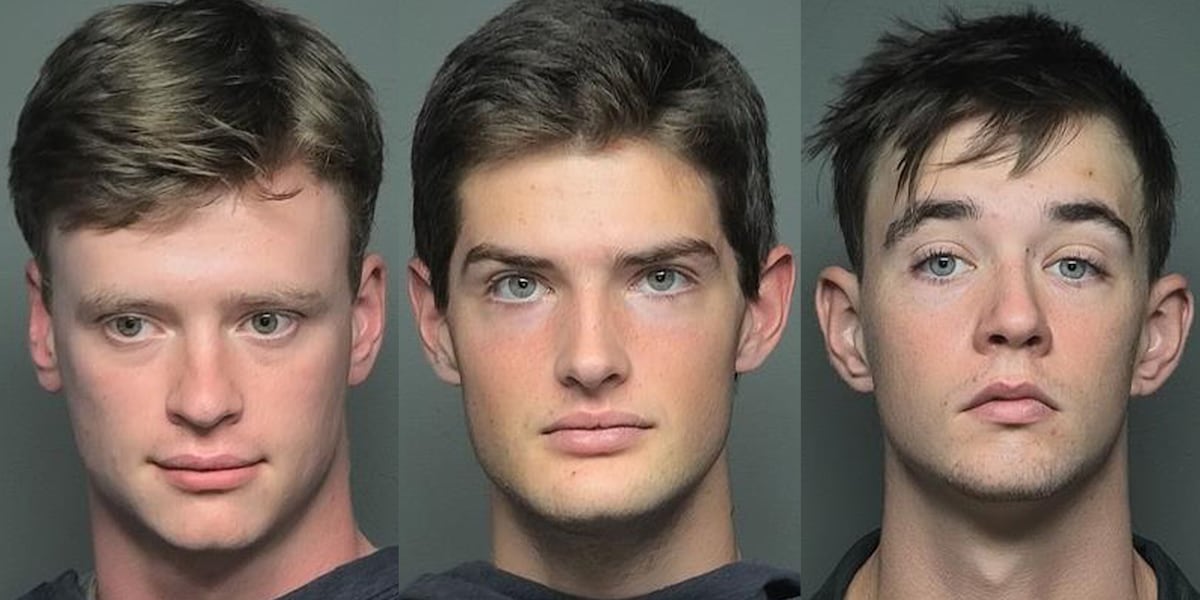
 Alix Martichoux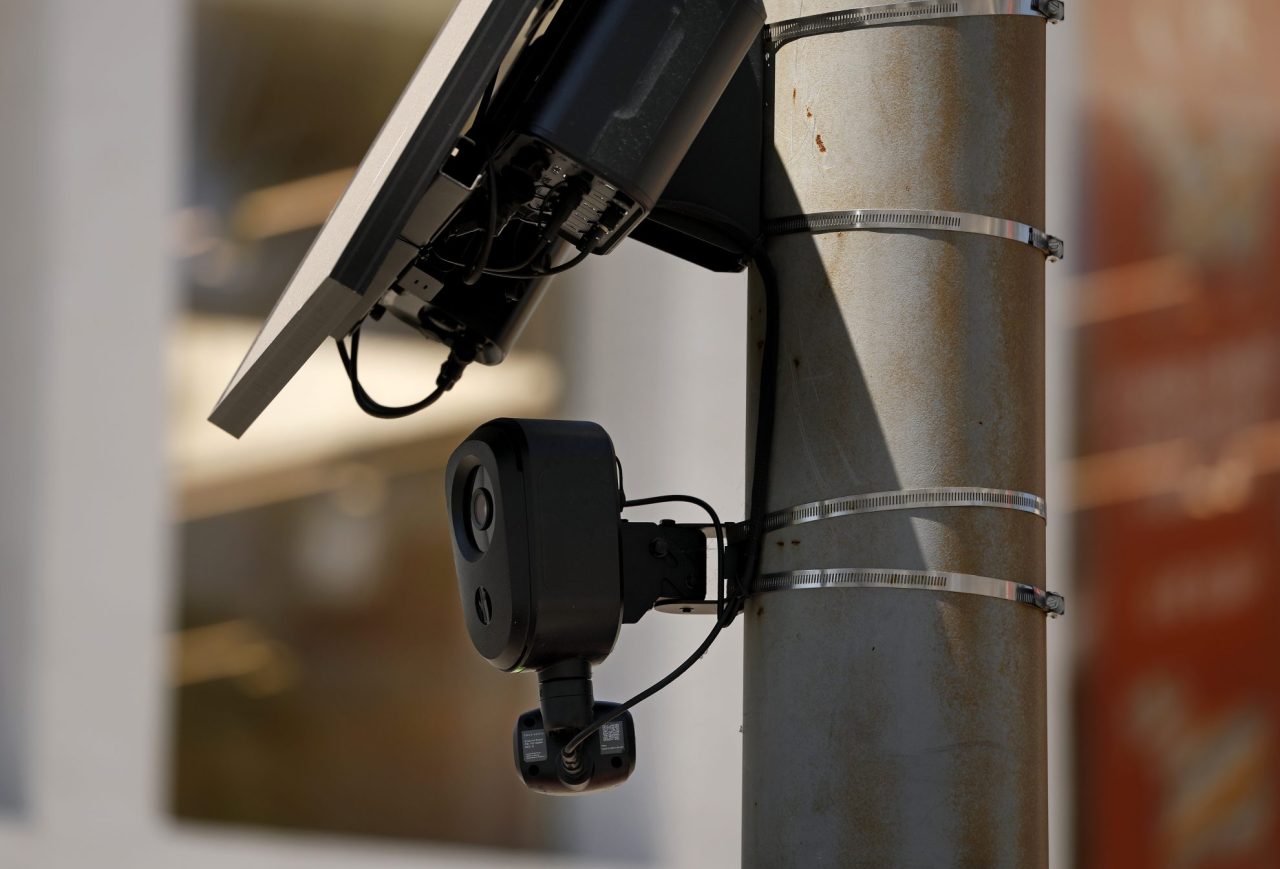
UPDATE: The Irony: The situation drew widespread attention for the stark contradiction of a worker installing mass-surveillance technology designed to track the public 24/7 complaining about privacy and being recorded in public.
The Flock debate is not cooling down; it is becoming more intense as Americans learn how extensively these systems can document ordinary movement and how aggressively questions about them can be treated. In this latest InvestigateTV report, a Flock worker called police after investigative reporter Brendan Keefe photographed and followed the installation of a camera from public streets. Three police vehicles ultimately responded, even though the responding officer acknowledged Keefe was not following closely enough to violate the law, and he was released without charges. Flock later stated that it does not object to members of the public or press photographing its cameras or personnel in public.
That incident captures exactly why the national conversation is changing. Americans are not rejecting legitimate law enforcement tools simply because they assist police; they are questioning where the boundary lies between effective policing and a surveillance structure capable of tracking people who have done nothing wrong. The phrase “public safety” cannot become an unlimited justification for collecting information, reducing expectations of privacy, discouraging scrutiny, or treating citizens who question government activity as suspicious. Constitutional freedoms have value precisely because they restrict what government may do even when officials believe a policy would make their jobs easier.
Eventually, these questions return to the officials who authorize the technology. City councils approve contracts. Sheriffs and police departments determine how systems are used. County and municipal leaders decide whether public concern deserves a hearing or dismissal. That makes local elections increasingly important. Citizens who believe their government has crossed the line do not have to accept that decision permanently. They can ask candidates where they stand, demand clear policies before contracts are approved, and ultimately decide at the ballot box who will exercise governmental power in their community. The louder this debate becomes, the harder it will be for local government to pretend those voices are not being heard
 Emily Featherston and Brendan Keefe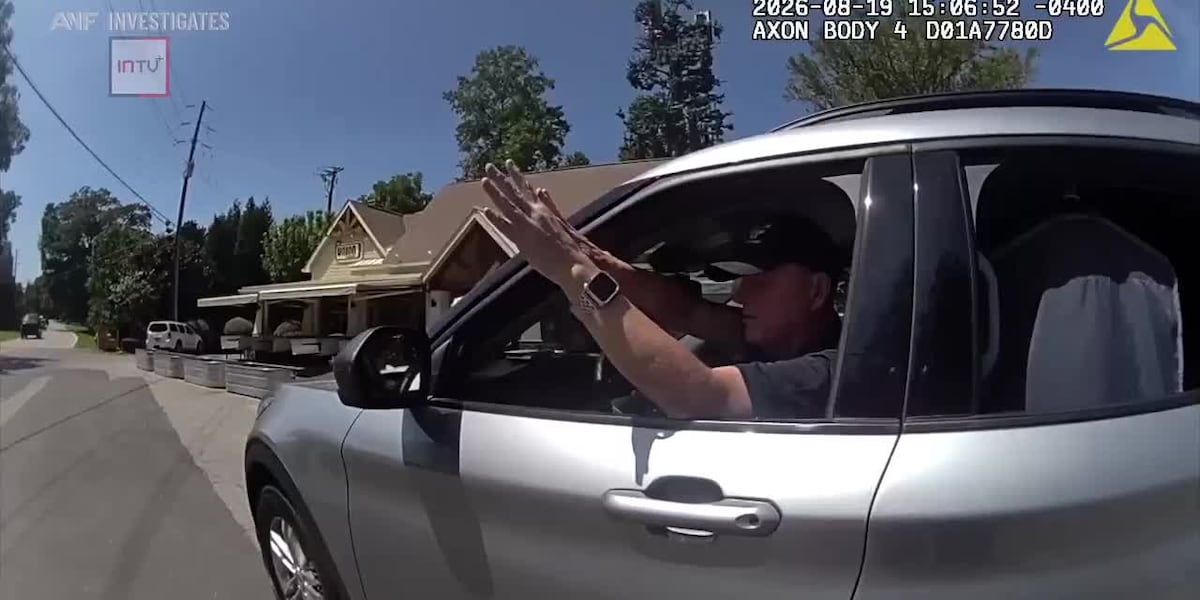
 Jacob Sullum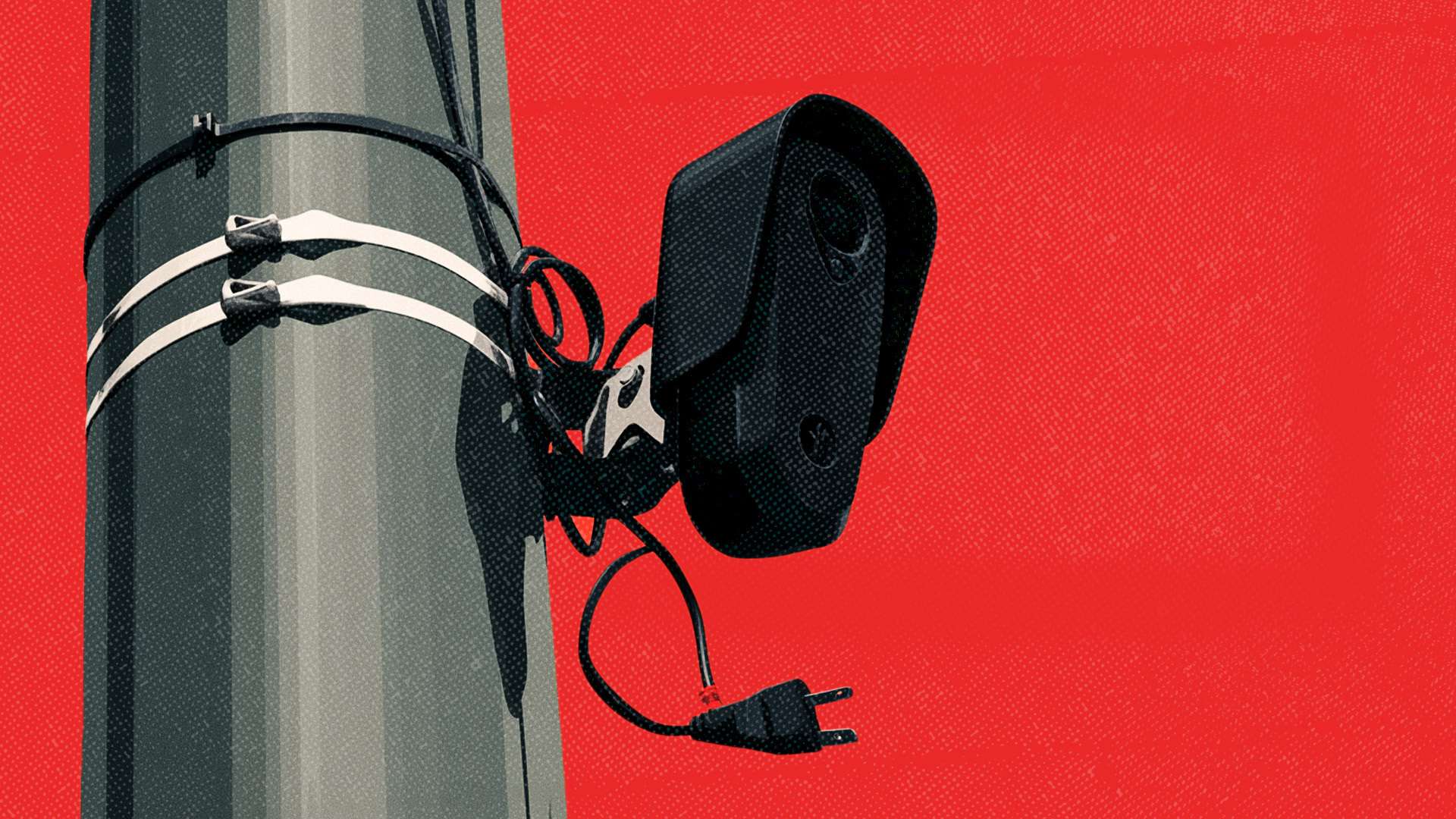
UPDATE: For months, I have been raising concerns about the growing use of Flock-style license plate cameras and the questions they create about privacy, government surveillance, and individual civil liberties. Those concerns are no longer theoretical. A Washington Post investigation identified at least 69 police officials who had been accused, charged, or convicted of misusing Flock or other automated license plate reader systems, including cases involving the unauthorized tracking of spouses, former partners, and acquaintances.
The larger issue is the power created when thousands of cameras are connected through searchable networks capable of reconstructing where vehicles have traveled across jurisdictions. Reporting has documented searches connected to immigration enforcement, reproductive-care investigations, protests, and other purposes extending well beyond the traditional image of a camera simply helping police locate a stolen vehicle. Flock has responded by adding safeguards, while communities and state governments across the country continue examining whether existing oversight is adequate.
Now those same concerns have reached Congress. On September 2, Representatives Thomas Massie and Eric Burlison introduced H.R. 10221, formally titled the “Flock-Off Act,” which would restrict the use of federal funding for most automated license plate readers and biometric surveillance camera systems. Whatever ultimately happens to the legislation, its introduction represents a significant development: the questions being raised in communities across America about surveillance, oversight, and misuse are now part of a federal legislative debate.
 Atlanta First News staff and Gray News staff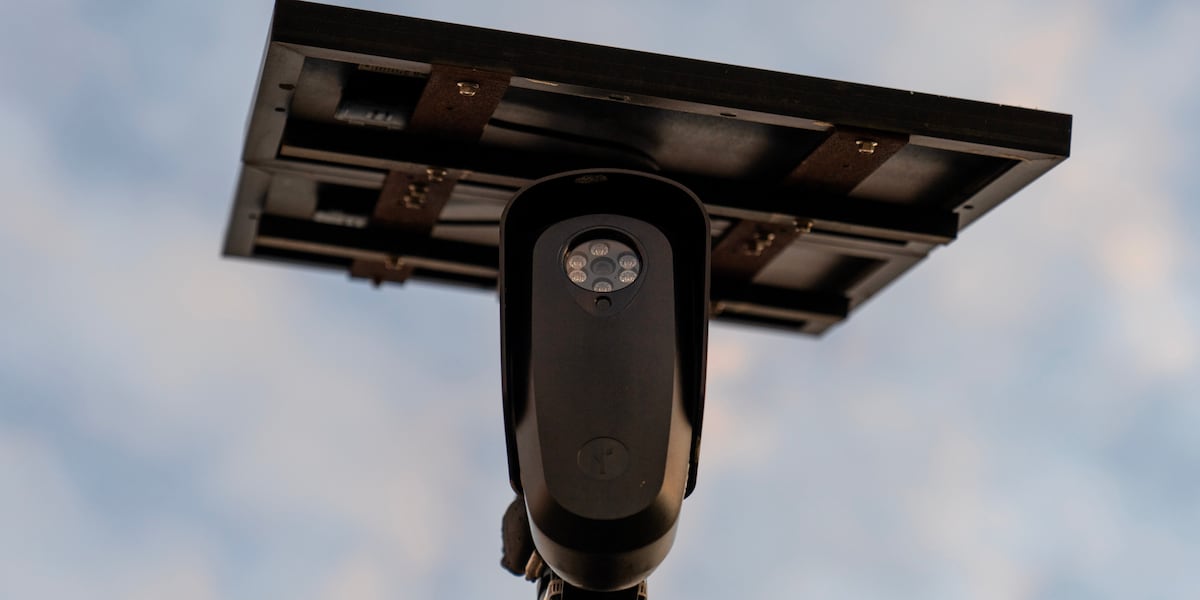
 JC Roberts, RHCJC News
About the Author
Mike Morrison is the 2026 PBUS National Bail Agent of the Year, President of the Mississippi Bail Agents Association, and a nationally recognized bail educator, speaker, and criminal justice commentator. With more than 35 years of hands-on experience as a licensed Professional Bail Agent and owner of Mike Morrison Bail Bonding Company in Hattiesburg, Mississippi, he brings a practical, real-world perspective to discussions involving bail, criminal justice, constitutional rights, public safety, government accountability, technology, and public policy.
Morrison is recognized as a bail trainer by the Mississippi Judicial College and has been invited to present before judges, justice court clerks, prosecutors, bail professionals, and other criminal justice stakeholders, including as a guest speaker for the Mississippi Attorney General’s Office. He also leads professional education and ethics programs for bail agents across the country through the Master Class Bail Agent Series and other national training initiatives.
He has published nearly 200 articles examining the institutions, policies, and decisions that affect working Americans. His writing is grounded in decades spent inside courtrooms, jails, communities, and the criminal justice system, and his commentary has reached more than one million views across social media in 2026.
Independent, plain-spoken, and focused on accountability, Morrison writes and speaks about the intersection of government, liberty, public safety, professional responsibility, and the real-world consequences of public policy in Mississippi and across the nation.
© 2026 Mike Morrison. All rights reserved. (Revised 8/30/26)